Boise Spray Foam Insulation Pros
Spray Foam Insulation in Robie Creek, ID
Spray foam insulation for Robie Creek's foothill homes, crawlspace encapsulation and closed-cell foam built for rural, moisture-prone terrain.
- 15+ Years local experience
- 500+ Projects completed
- Licensed & Insured
Serving Boise and nearby communities.
Robie Creek sits outside Boise’s main grid, out in Boise County foothill terrain. It’s a small, rural area. That changes what a typical home looks like here: site-built cabins, older construction, crawlspace foundations more often than slab or basement.
That mix creates a specific insulation problem. Foothill terrain means more exposure to moisture swings, runoff, and seasonal flooding in low spots. A crawlspace that takes on water even occasionally needs foam that can handle it. Open-cell foam soaks up moisture like a sponge. Closed-cell doesn’t. That’s why it’s the standard choice for ground-contact work out here.
What We See in Robie Creek Homes
Older cabin-style builds in this area often went up without much attention to insulation standards at all. That’s not a knock on the original builders. It’s just how rural construction worked a generation or two back.
The result today is homes with uneven coverage. Maybe the attic got batt insulation at some point. The crawlspace never did.
Foundation types vary more here than in a standard Boise subdivision. Some homes sit on pier-and-beam with open crawlspaces. Others have partial basements cut into the hillside. Each setup calls for a different approach, which is part of why we walk the space in person before quoting anything.
Moisture Is the Recurring Theme
A crawlspace in the foothills that floods occasionally needs closed-cell foam on the walls and rim joists, paired with a vapor barrier liner on the ground. Skip either piece and you’re just insulating a problem instead of solving it.
Elevation changes things too. Homes tucked into north-facing draws hold shade and damp air longer into spring. Homes up on open slopes dry out faster but take harder wind-driven snow loads in winter. Both situations push toward closed-cell: it adds structural rigidity to older framing and seals out air movement in one pass, where open-cell alone would leave gaps for cold air to creep through rim joists and sill plates.
Energy Costs in a Rural Foothill Home
Propane and electric heat are common out here, since gas lines don’t always reach this far from the valley floor. That makes air sealing matter more, not less. Every gap in a crawlspace or attic is heat you’re paying a premium to replace.
Closed-cell spray foam seals and insulates in the same step. For a drafty older cabin, that often means a heating system that finally works the way it was designed to, instead of fighting constant air leaks.
Why We Walk the Property First
No two homes out here are built the same way. A quote based on square footage alone doesn’t account for a hillside foundation, a water table issue, or an attic that was never vented right. We look at the crawlspace, check for existing moisture damage, and talk through what the foam needs to do before we talk price.
If you’re dealing with a drafty cabin, a damp crawlspace, or just want a straight answer on what closed-cell foam would run for your place, reach out for a free estimate. We’ll tell you what we see, not just what fits a template.
What we do
Services in Robie Creek
Spray Foam Insulation across Robie Creek and the surrounding area.
Residential Services
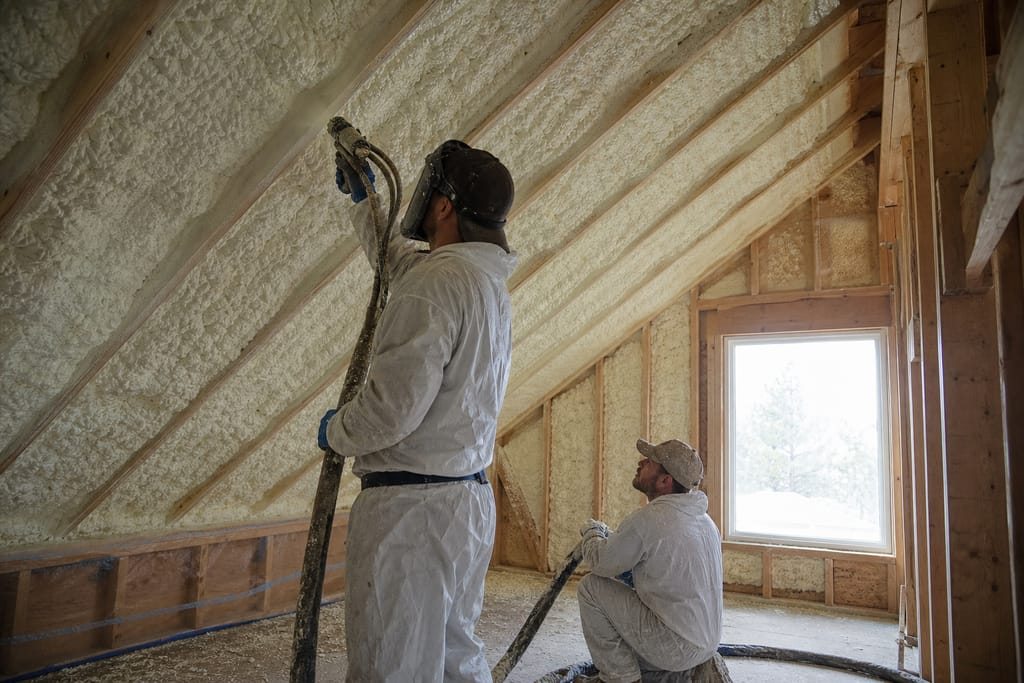
Attic Spray Foam Insulation
Attic Spray Foam Insulation serving Robie Creek and nearby cities.
Learn more →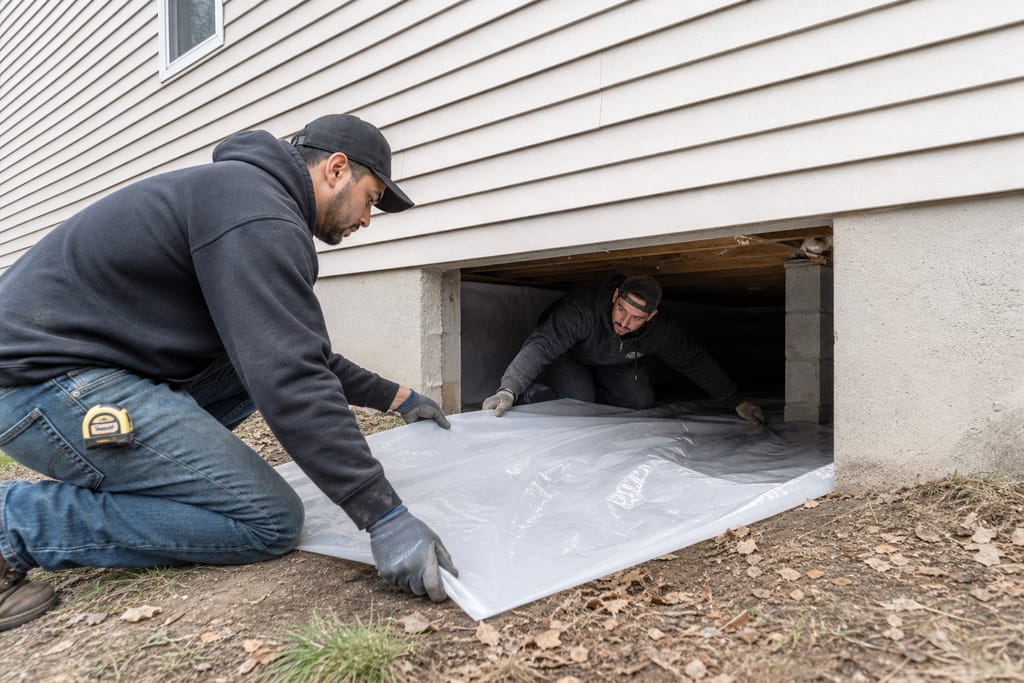
Crawlspace Encapsulation And Insulation
Crawlspace Encapsulation And Insulation serving Robie Creek and nearby cities.
Learn more →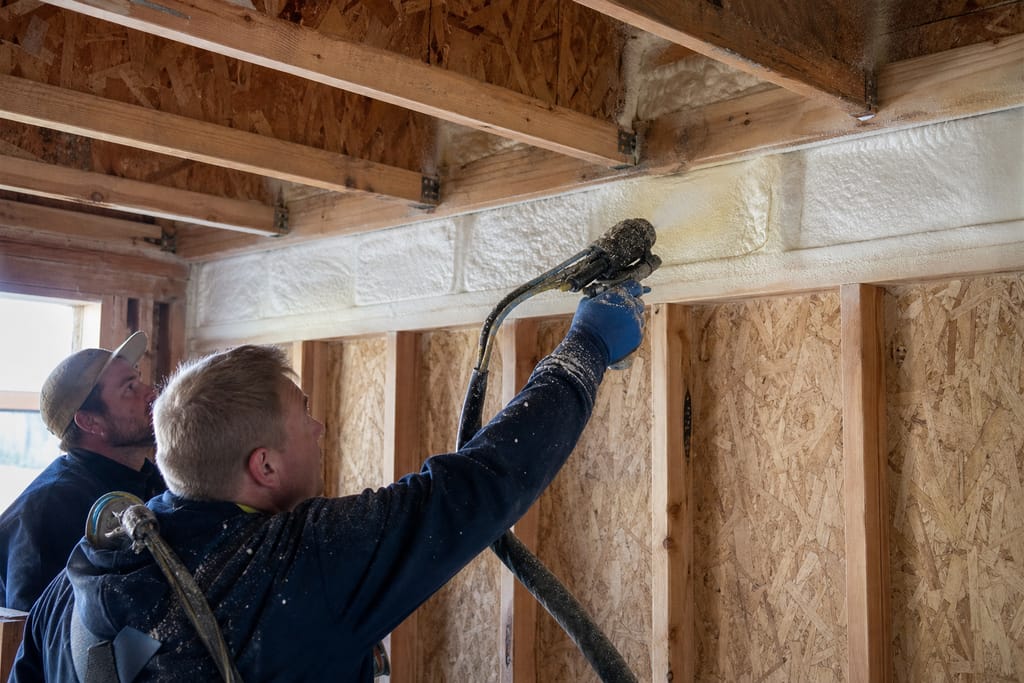
Closed-Cell Spray Foam Insulation
Closed-Cell Spray Foam Insulation serving Robie Creek and nearby cities.
Learn more →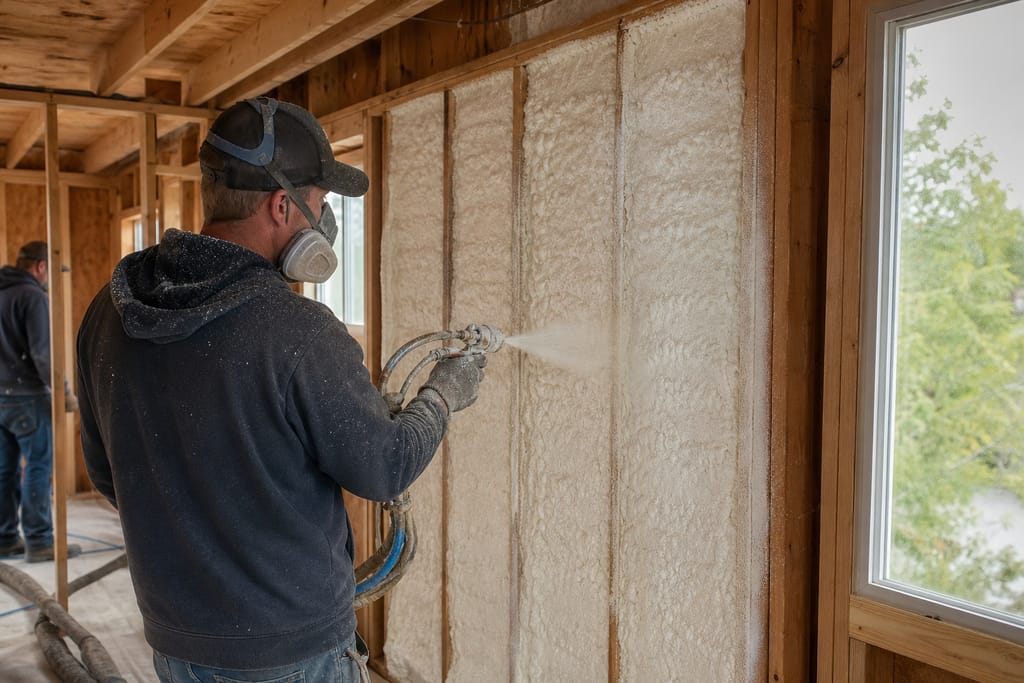
Open-Cell Spray Foam Insulation
Open-Cell Spray Foam Insulation serving Robie Creek and nearby cities.
Learn more →
Commercial Services
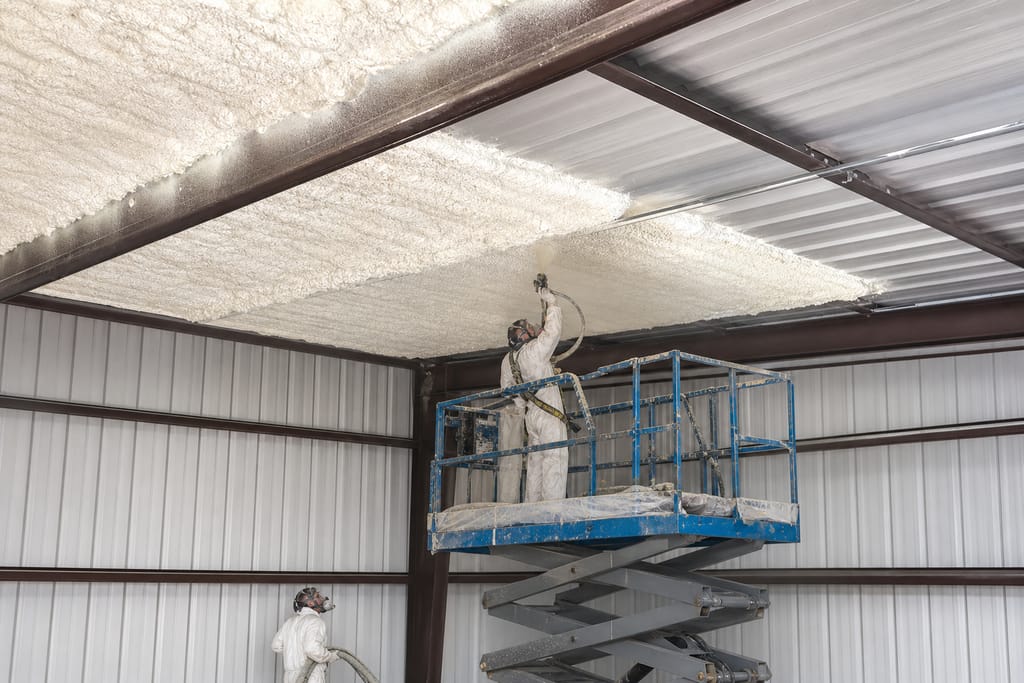
Commercial And Warehouse Insulation
Commercial And Warehouse Insulation serving Robie Creek and nearby cities.
Learn more →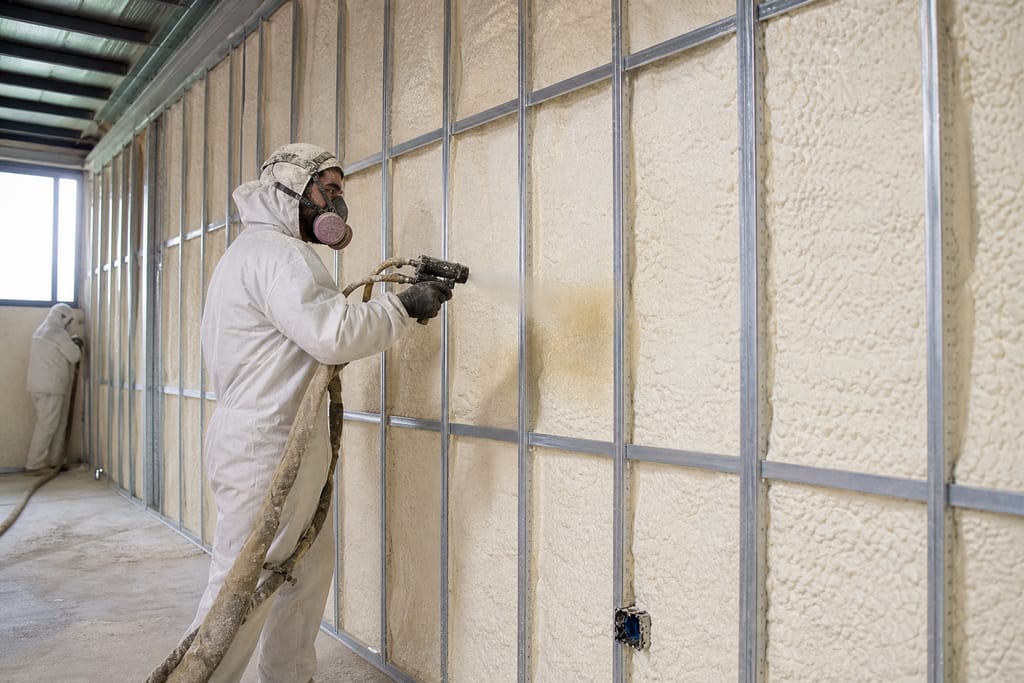
Commercial Building Insulation
Commercial Building Insulation serving Robie Creek and nearby cities.
Learn more →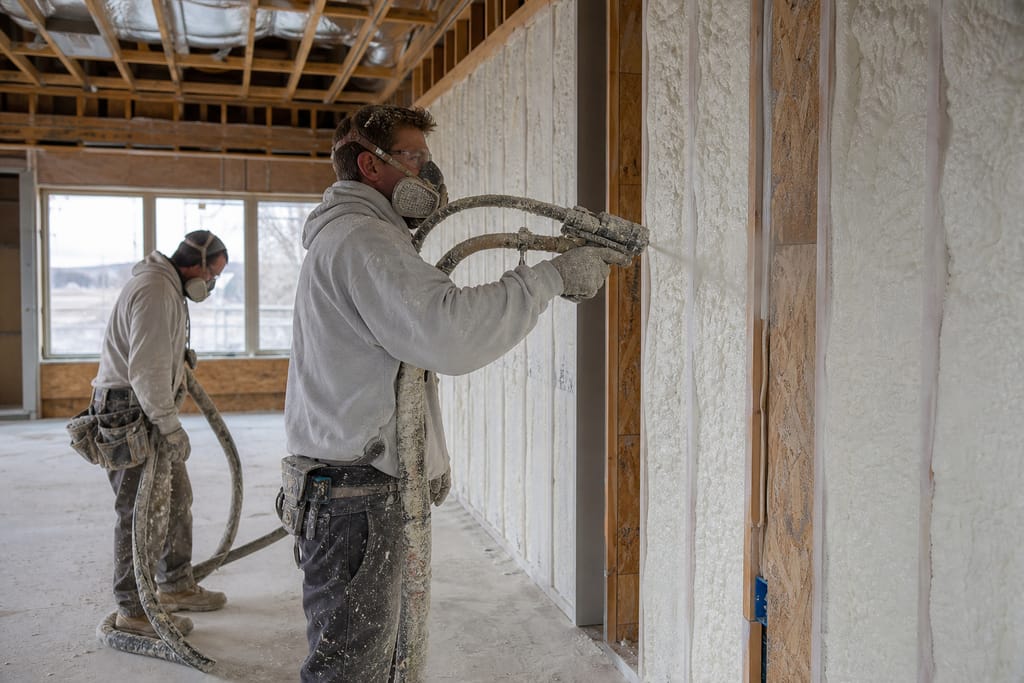
New Commercial Construction Insulation
New Commercial Construction Insulation serving Robie Creek and nearby cities.
Learn more →
Get an estimate in Robie Creek
Tell us about the project and how to reach you.